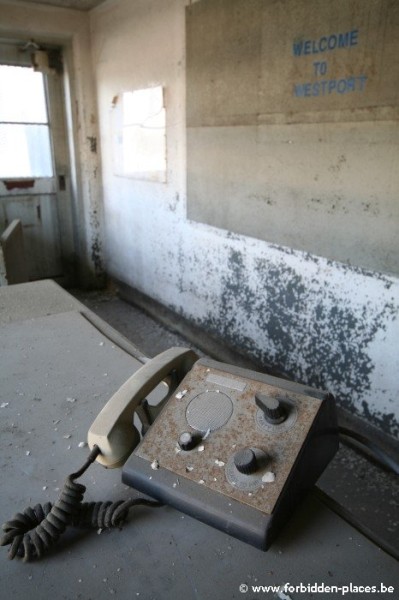
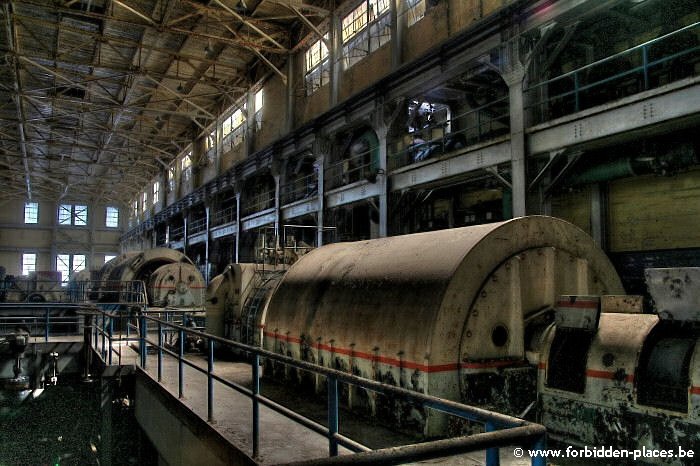
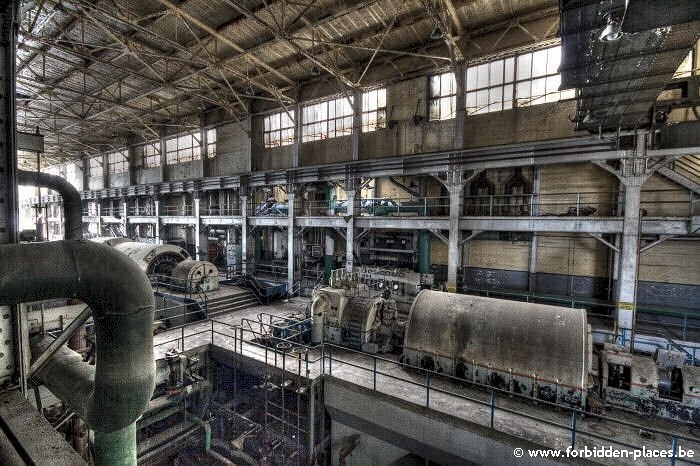
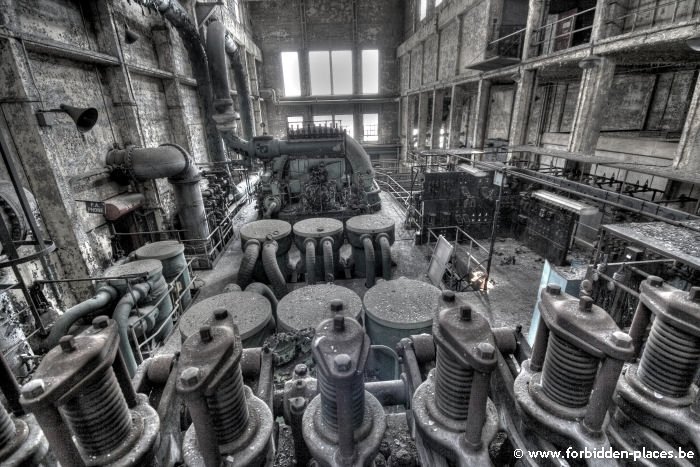
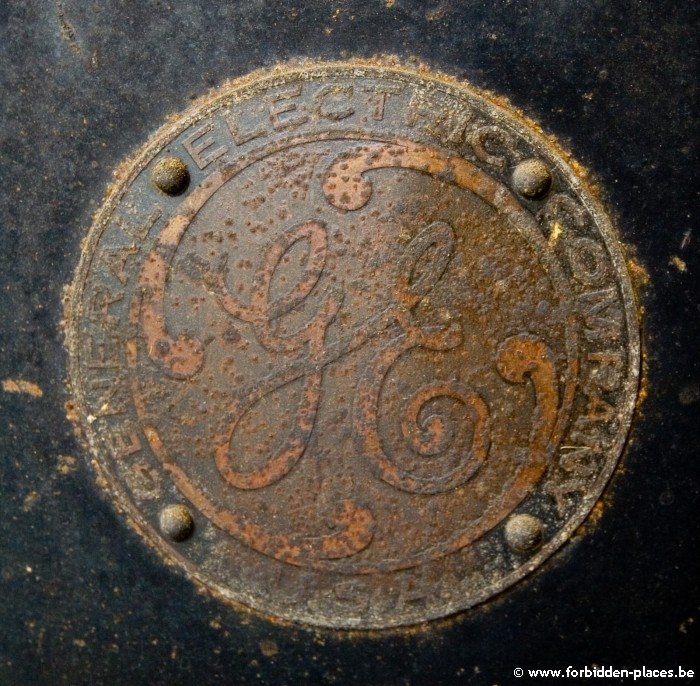
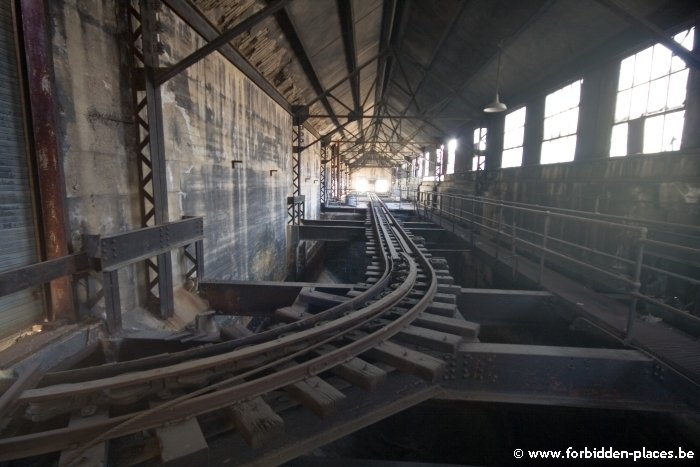
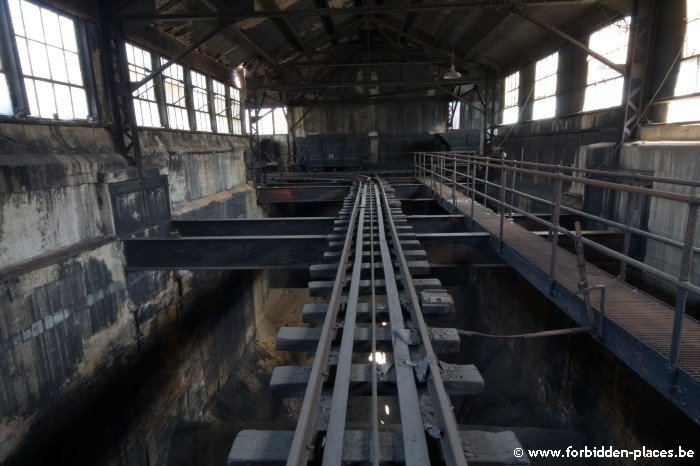
Built in 1906, this concrete steel and giant will not achieve one century of activity.
It was the largest power plant in the world. Located in the Baltimore bay, Maryland, the power plant was owned by Baltimore Gas and Electricity (BGE), now Constellation Power Source.
Its total capacity was 252 MW, split into 128 MW produces by steam and 124 MW by combustion turbines.
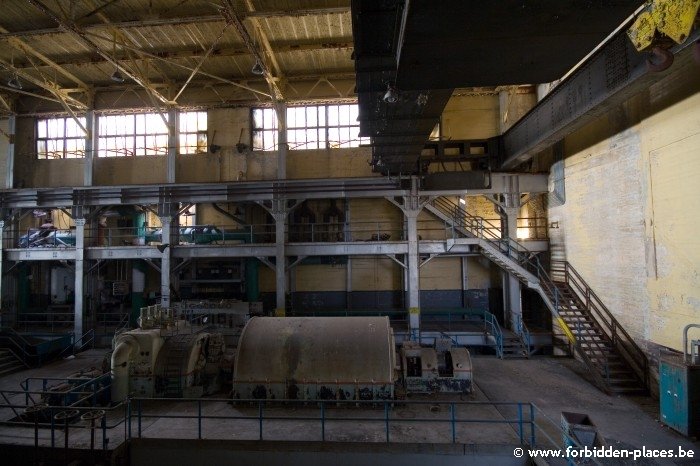
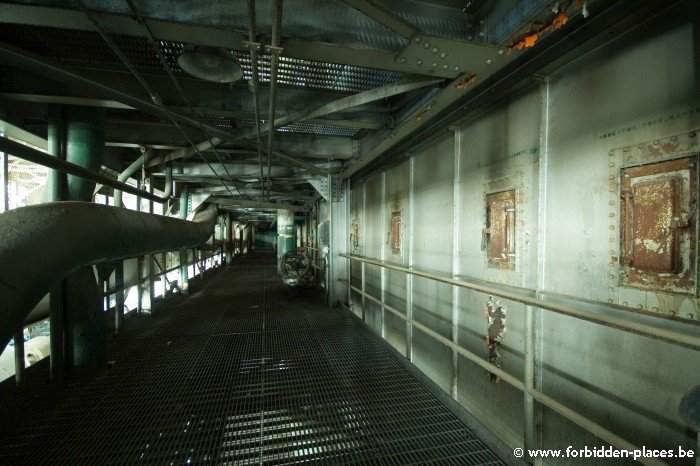
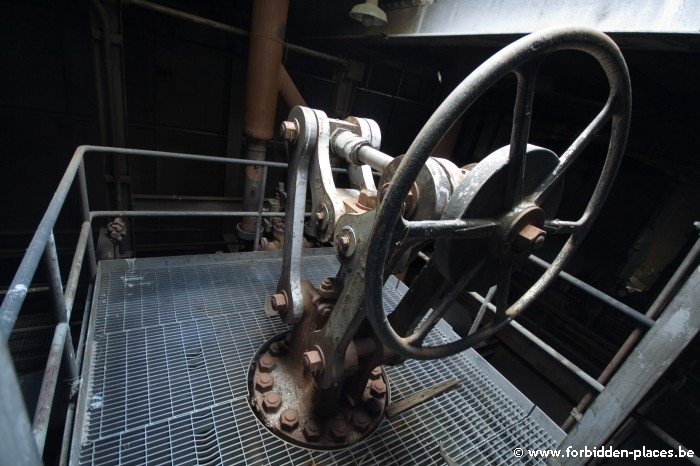
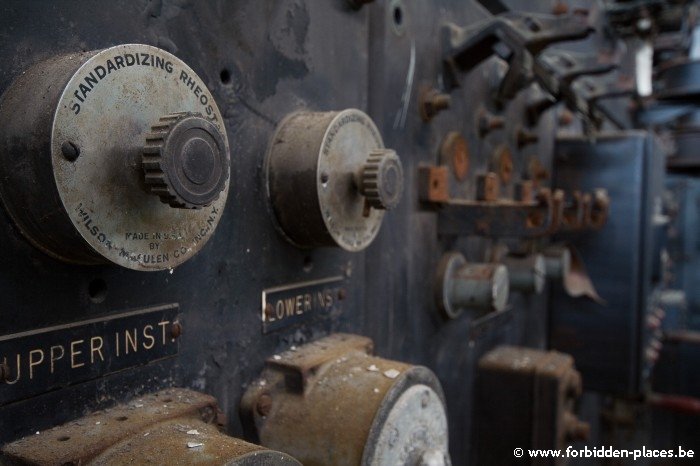
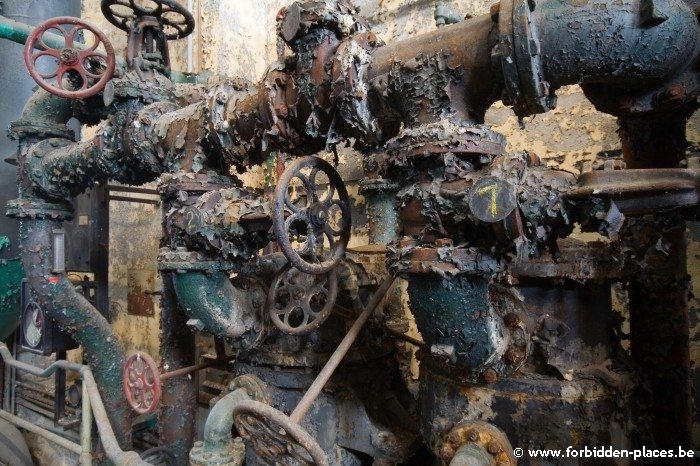
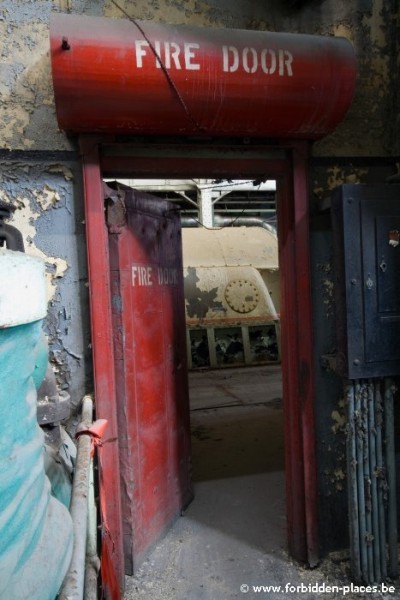
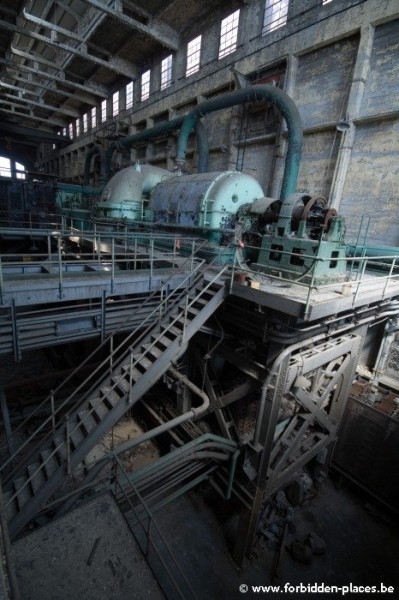
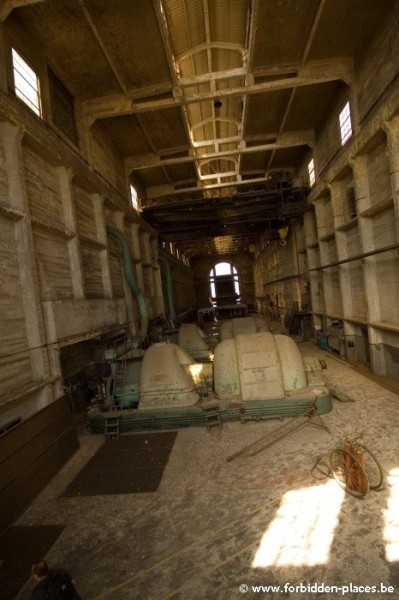
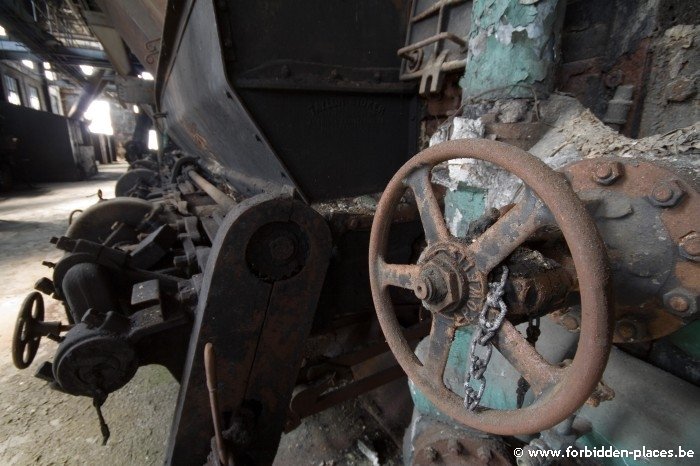
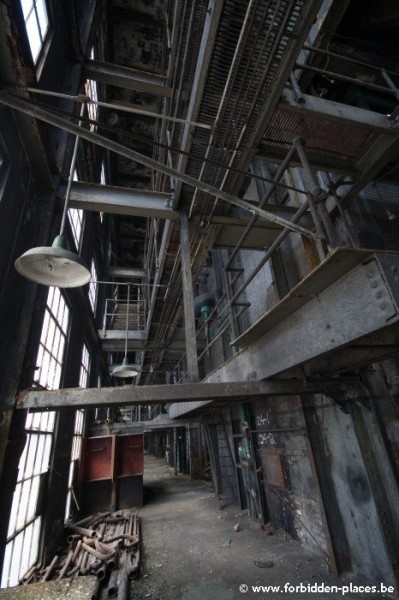
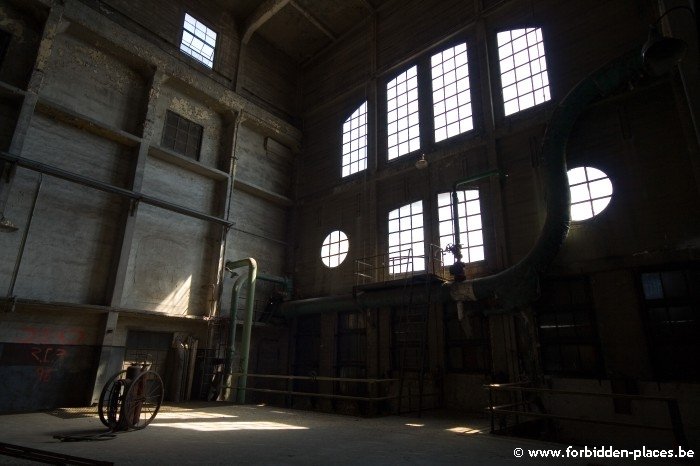
An efficient closing, steel plating, welded doors and windows kept vandals and looters out of this plant. Some years later, it remains an inestimable industrial heritage. Only the time left its mark. Everything remains intact. Each one the turbine halls is a real industrial cathedral.
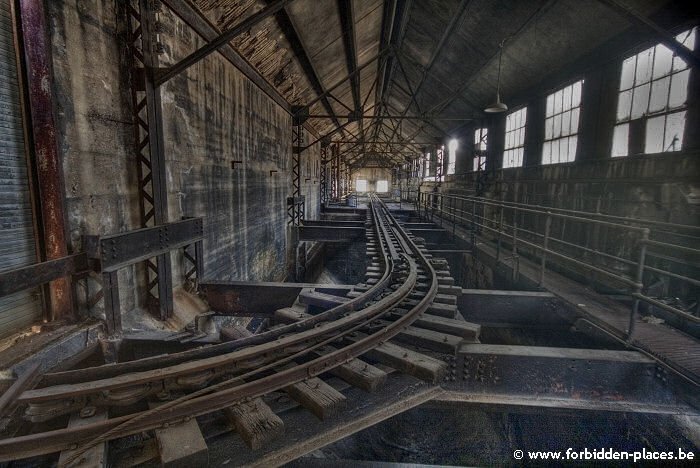
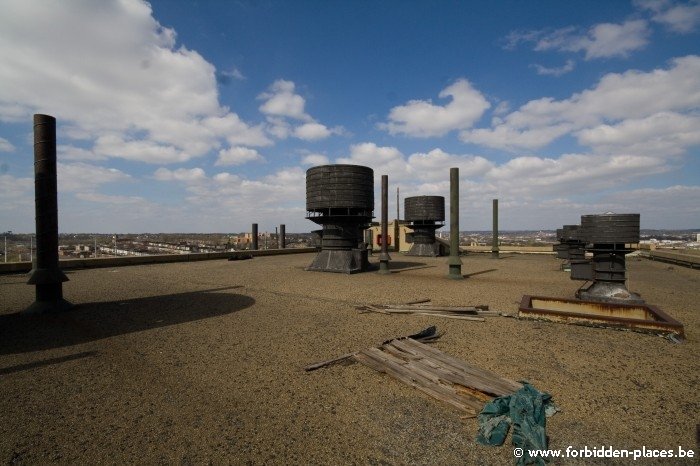
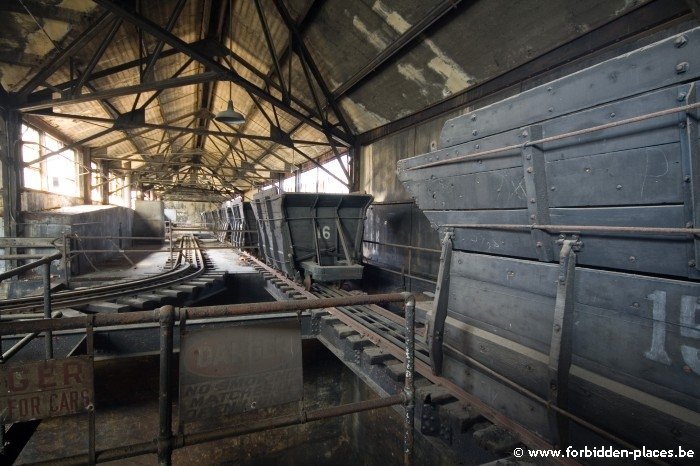
One interesting feature is the presence of a coal delivery system on the top of one building, using a suspension railways system, hanging over some coal silos. 23 wooden wagons are still there. They open through their bottom, allowing the coal to fall directly in the silos.
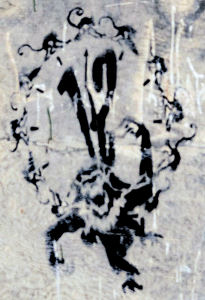
The Westport power plant has been used as a filming location for the movie 12 Monkeys (1995). If the location can hardly be recognized in the movie, some tags of "The Army" still remain on the walls of the plant.
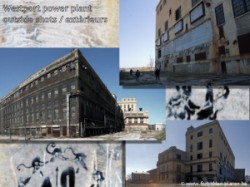
This place is now demolished, ideally located on Baltimore's bay, target of promoters. It became urgent to explore this place.
My grammom lived in Westport and I remember always seeing it when I went to visit her (as a child, back in the early 60s). That and the Domino sugar sign; they evoke such nostalgjain me!
Can you go inside this power plant
Before demolition occurred, I had the chance to visit the power plant. As our party was climbing a set of stairs, a large owl flew out from its perch and threw the plant. It explained why there were very few pigeons or rats.
These pictures are very good but what about the pictures and the stories of the peoples that worked at that power station? What happen to them after the power plant closure took place!
I see the same thing happening at an other power station that is closing this year 2011 the Tracy Power station 600 MW built in 1964
I worked there many years and was unfortunate enough to put her to rest. Once the package boiler was shut down for good, the plant began to self demolish. As it got cold, the paint would dry and shrink and come of in huge pieces as if the walls were shrugging themselves free. And the noises that came from every corner of the plant still ring in my ears. It seemed as if she was screaming out as the last breath was squeezed out her. And then after some time later, total eerie silence. Not quiet but total silence. I can't explain it properly. This was a bustling multi-faceted power plant in her day. And now, silence. She was commisioned in 1906 and it was quite the fanfare. Take the time to look uo her history. You'll find it fascinating.
BTB. We had a shut down party that was just special. The old low pressure turbine hall was cleaned up, floors waxed, turbines wiped down, kind of like putting a new dress on an old whore. And playing in that hall we had approx 20 Baltimore Symphony members playing classical that climbed 100 feet and filled that great hall with a sound that was, I would say, just fitting.
PLEASE.... if anyone knows of any other closed plants similer to this one. PLEASE email me ASAP at chriskanakis@rock.com ASAP.
8rings back memories from my childhood... I started working here in 1968 when I was a wide-eyed 18 year old!
I was very invoved with researching the Cos Cob Power Plant. I assisted the notable photographer Jet Lowe in photographing the Plant prior to the Plant demolishing. The photos are found on the Internet; search for "Built in America", and enter "Cos Cob" in the WS search-slot,.
A long-abandoned generating station is the Ludlow Plant in Yonkers NY , which was built by the New York Central RR , circa 1905, for the electrification of the lines into Grand Central Terminal.
Also of interest is a very old powerhouse in Jersey City which generated power for the "PATH" train tubes under the Hudson River.
I love your photos. Tell me did you bring in additional lighting? What did you shoot with? It looks like you had a lot of time to set up your shots.
I worked at Westport. The side of the plant that faced Washington contained the low pressure boilers & turbines. That side had been retired for some time & the low pressure turbine & generators sets removed. The low pressure generators were 25 cycle. The manual coal handling equipment was for the low pressure side. The side of the plant facing Baltimore was the high pressure side & contained fairly modern equipment 1940 / 1950. The high pressure side generators were 60 cycle. The newest one put out about 60 megawatts. The pictures you see of the turbine hall are of the high pressure side. The newest of the high pressure turbine generator sets faced the harbor, the oldest faced Westport. The high pressure boilers were either converted to oil or retired in late sixties early seventies. Westport had many interesting features, a frequency changing house which changed the 25 cycles to 60 cycles When the 25 cycle low pressure side was retired, the frequency changing house was no longer used There was also an underground passageway that connected the main plant to the frequency changing house.
Bob Davis & fellow UE aficianados -
What a beautiful place. Not many power plants where one can still find both chain grate stokers and pulverizers. The former Narragansett Electric Company's South Street Power Plant was one such place. Shut down in 1990, the glass & metal building which housed the two steam generators for the 1953 Topping Unit was demolished during the 90s, but the original brick building dating to the turn of the last century will be converted into a luxury hotel and museum by Struever Brothers of Baltimore, according to the Providence Journal.
The beauty of plants such as these is that one can quickly drink in the evolution of electric power generation from coal chain grate stoker to pulveriser. All's missing are the vertical turbines dating to the turn of the last century.
Last recall seeing the Cos Cob Plant around 1981 when travelling from former RI home to NYC via train, if recall correctly. Even then, the place appeared dark, ominous, black vacant looking windows, hi-voltage lines springing forth from the looming structure. I was captivated, and would have moved there had they let me.
According to "Inventory of Power Plants in the United States in 1979", publised by Dept. of Energy, a copy of which rests in our below decks library, Cos Cob had three remaining active units, oil fired but listed as internal combustion turbines, which went on line in 1969. The are numbered Units 10, 11, & 12.
Surely, Cos Cob held deeper darker secrets, perhaps, given its proximity to railhead, having to do with coal fired steam generators and turbines which long ago ceased turning.
Enchanted with power plant since I was a kid. Nothing like the smell of aromatic hydrocarbons and the aroma which emanates from a hot steam plant - reassuring fragrance of fuel oil, tangy bouquet of asbestos, how can one not remain incurious as to the doings within?
Magnificent that modern day Urban Explorers have included power plants in their galleries of fascination.
Paul Vincent Zecchino Manasota Key, Florida 07 April, 2009
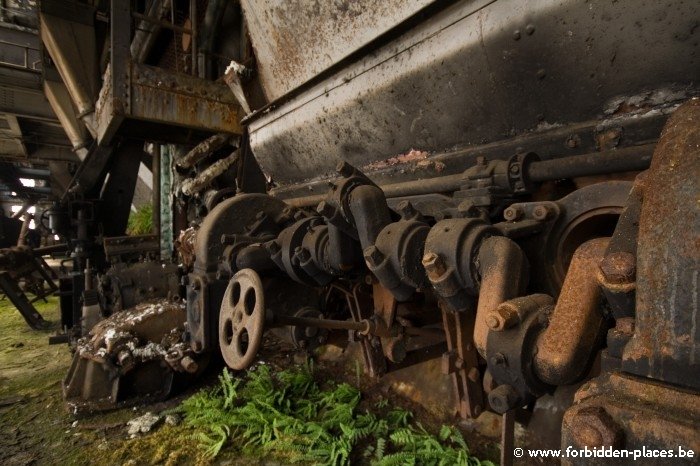
As Mr. Spock would say, "Fascinating." I'm a Southern Calif. Edison retiree, and have been in old generating stations as park of my work. None of our old plants were coal-burners, so some of the equipment at the Baltimore plant is unfamiliar. Particularly interesting were the coal cars that appeared to be powered by a moving cable--like the cable cars of SF. Then there was the stoker or ash-pusher with the automotive-looking crankshaft. It's most likely any unit using this kind of technology was retired many years ago. One would presume that in its later years, only the heaviest load peaks would call for a unit like this to be fired up. Another interesting Eastern plant (which may now be gone) is/was the New Haven RR's Cos Cob plant west of Stamford CT. It was built around 1911 to power the electrification of the tracks between New Haven and New York City. Even in the 50's it was almost always referred to as the "aging Cos Cob power plant".
Now all the asbestos and chemicals are gone so is the fun playhouse. Heavily guarded for our own good, all the cool stuff is gone and/or unaccessable, the old rotten building is slowly coming apart to make way for fancy housing and a hotel in lovely Westport. Imagine something new and clean and useful that does not pollute the bay in Westport. I hate developers but this can only be good for B-town.
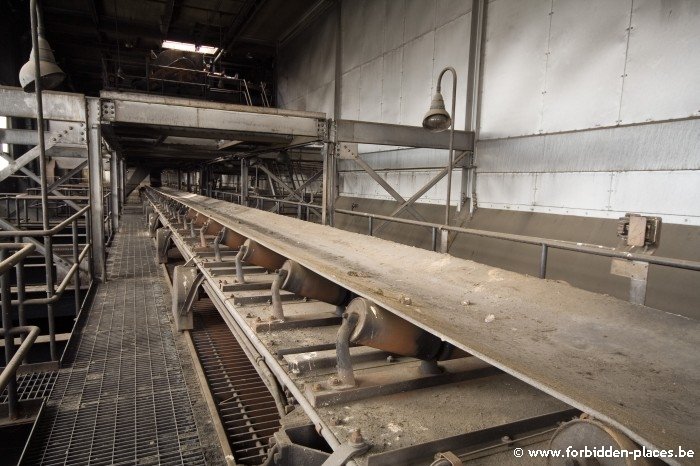
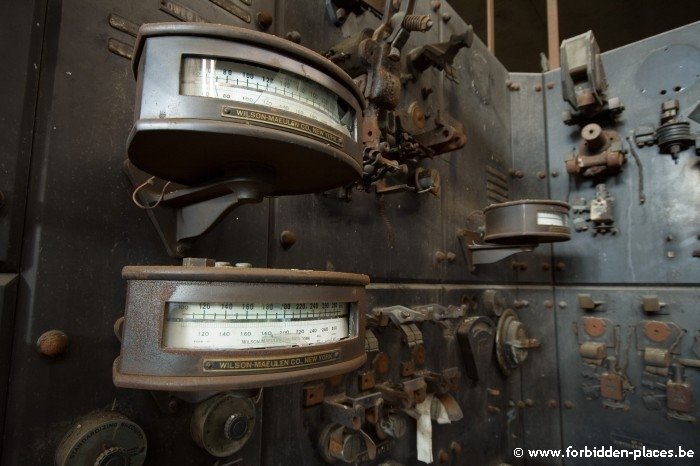
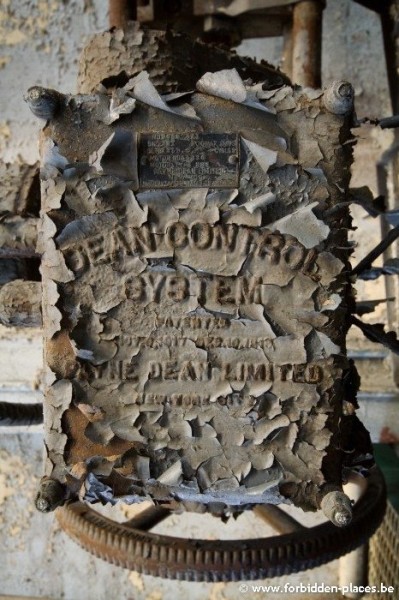
A friend and I had a chance to explore this place, what you call pistons for removing the remains of combustion are in fact stokers, as per a name plate that a friend and I found on the side. they may well have also pushed the ash out, either by a seperate system from the same crank or by pushing new coal into its place. At any rate, from what I can tell, in the older section crushed coal was raised to the railroad on an external elevator which based on covers on the coal cars actually had the cars outside. From the remaining train tracks in the yard, it looks like coal was brought in on the Western Maryland Railroad (bridge is spring garden trestle) or by barge. from the upstairs coal cars it was fed directly to the boilers through a system of chutes.The stokers pushed it in, and ash dropped directly into railcarts at the bottom which took it outside. In the newer section, the boiler burns pulverized coal and the steam pressure, fuel capacity, and other stats are recorded on a plaque on the northeast corner, as well as the companies involved and a date. There, the coal pulverisers are in the basement, it is blown in to burners to make 1100 psi (!) and goes to the turbines. I am reasonably certain that the turbines exhaust to condensers and they use the water again. the new boilers are also fitted with economizers,taking up the middle floors, which run intake water pipes through the exhaust stacks to both preheat the water and recapture energy from exhaust. I cant tell if the evaporator system was seperate or used exhaust from the new boiler. in any case,the northwest coal bunker below the conveyor belt must have fed both boiler and evaporator. The evaporators took salt water from middle branch and made it suitable for use in the boilers. If plain water were used, scale would build up too quickly. There is also what amounts to a switchboard in the northwestern section where each floor is a different phase, the basement is fuses, and the top floor is the control room. each switch is a set of 3 VERY high voltage oil break switches mechanically ganged together (one from floor a, one from floor b etc) to a switch mechanism on the top floor which has either automatic or manual control. The saltwater intake pumps are in or near a small structure sitting right on the edge of the water. Overall the place was magnificently preserved, and I thank you and other urban explorers like you for preserving the memories of these places for future generations. One bit of encouraging news is I found an environmental assessment that says the building does seem to be a candidate for reconversion instead of outright demolition. The loss of the physical plant will, nontheless, be tragic indeed. On a final note I love the way you make the transition pictures in certain areas of your site. Thank you and keep up the good work. A. Nonymous, november 2006
Dear A. Nonymous, Thank you for the very complete and detailed comment.
You can still get inside of this plant... although they are starting to gut it, there's still a good amount of nostalgic loot inside.
They have started to tear this place down for sure. I was thinking of going down as a last resort but there is definitely a guard who walks the street and the whole backside is smashed in. I have probably the only photos currently anywhere of this at the moment... http://www.flickr.com/photos/patgavin/sets/72157601943827598/
drove by westport the other day (last weekend) and there was wrecking machinery in the yard, fences repaired, a guard walking the street in front of it and lights on all over the building. the saddest part is the roof seeems to be gone, all windows are gone, and large pieces of metal are in the yard. how sad.
1998-2018 (c) - www.Forbidden-Places.net - Contact


 [fr]
[fr]  [es]
[es]